
El Niño 2026: What It Means for Weather and Health in Nigeria

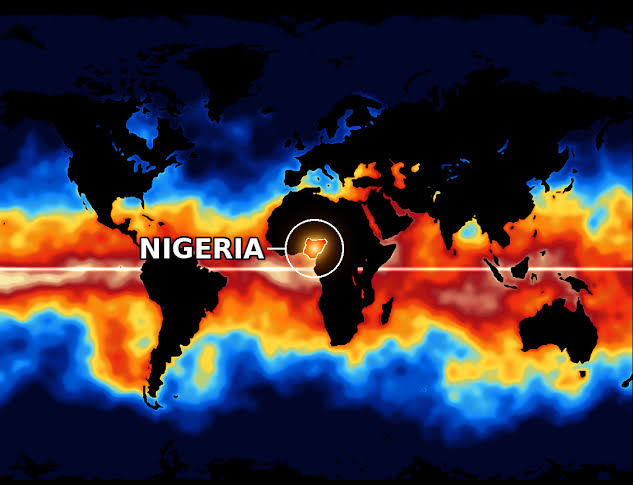
Have you noticed changes in the weather, unusually hot days, or unexpected rainfall patterns? These changes are part of a wider climate conversation happening around the world, and one important factor attracting attention is El Niño.
The current El Niño event is strengthening and is expected to influence global weather patterns into early 2027. According to the World Meteorological Organization (WMO), the event could become one of the strongest recorded since 1950.
But what exactly is El Niño, and should people in Nigeria be concerned about its effects on their health?
Understanding how changing weather patterns affect our bodies and environment can help us take simple steps to stay healthy and prepared.
What Is El Niño?
El Niño is a natural climate phenomenon that occurs when the surface waters of the central and eastern tropical Pacific Ocean become unusually warm.
This warming affects normal wind patterns and atmospheric circulation, influencing rainfall and temperature in different parts of the world.
El Niño typically occurs every two to seven years and can last several months. Its effects are not the same everywhere. Some regions experience increased rainfall and flooding, while others may experience reduced rainfall, drought, or unusually high temperatures.
The current 2026 El Niño event is particularly significant because forecasts indicate that it will continue strengthening, with a possible peak around December 2026.
How Could El Niño Affect Nigeria?
Although El Niño influences global climate patterns, its effects vary across regions. In West Africa, including Nigeria, rainfall predictions are not always straightforward because other climate factors also influence local weather.
However, changing temperature and rainfall patterns can create challenges for communities, particularly those who depend on agriculture and outdoor activities.
Some potential concerns include:
1. Higher Temperatures and Extreme Heat
El Niño is associated with an increased likelihood of above-average global temperatures. In Nigeria, periods of unusually high temperatures can increase the risk of heat-related health problems.
Spending long hours outdoors, working under direct sunlight, or staying in poorly ventilated environments can make it harder for the body to regulate its temperature.
2. Changes in Rainfall Patterns
Changes in rainfall can affect water availability, farming activities, and access to clean water.
In some areas, reduced rainfall may contribute to water shortages, while excessive rainfall in other locations can increase the risk of flooding.
These conditions can also affect sanitation and the availability of safe drinking water.
3. Pressure on Food and Water Supplies
Changes in temperature and rainfall can affect agricultural production, crop growth, and food availability.
Where water supplies become limited or unsafe, households may face additional challenges maintaining proper hygiene and food safety.
These effects are not guaranteed outcomes of El Niño in every Nigerian state, but they highlight why climate monitoring and preparation are important.
Possible Health Effects of El Niño
Changes in weather conditions can affect our health in different ways. Here are some health concerns worth paying attention to.
1. Dehydration
Hot weather increases sweating, causing the body to lose water and essential salts.
If lost fluids are not replaced, dehydration can occur. Common symptoms include:
- Excessive thirst.
- Dark yellow urine.
- Dry mouth and lips.
- Headaches.
- Dizziness.
- Unusual tiredness.
Drink water regularly, even when you do not feel thirsty, particularly when spending time outdoors.
2. Heat Exhaustion and Heatstroke
Prolonged exposure to high temperatures can overwhelm the body’s ability to cool itself.
Heat exhaustion may cause heavy sweating, weakness, nausea, dizziness, and headaches.
Heatstroke is a medical emergency. Warning signs include confusion, seizures, collapse, or loss of consciousness. Anyone showing these symptoms needs immediate emergency medical attention.
Move the person to a cooler place and begin cooling them while emergency help is arranged.
3. Waterborne Diseases
Flooding and poor sanitation can contaminate drinking water and increase exposure to harmful microorganisms.
This can contribute to illnesses such as cholera and other diarrhoeal diseases.
To reduce your risk:
- Drink treated or properly boiled water.
- Wash your hands regularly with soap and clean water.
- Wash fruits and vegetables properly.
- Keep food covered and stored safely.
- Avoid drinking water from questionable sources.
4. Changes in Mosquito-Borne Disease Risks
Temperature, rainfall, and humidity influence mosquito breeding and survival.
Changes in these conditions may affect mosquito populations and the transmission patterns of diseases such as malaria.
However, El Niño does not automatically mean malaria cases will increase everywhere. Local weather conditions, mosquito control, sanitation, and access to healthcare also matter.
Continue using mosquito nets, remove stagnant water around your home, and seek medical attention if you develop symptoms such as fever, chills, or headaches.
7 Ways to Protect Your Health During Hot Weather
You do not need to wait until extreme weather conditions occur before taking precautions. Here are practical steps to protect yourself and your family.
1. Drink Enough Water
Stay hydrated throughout the day. Increase your fluid intake when exercising, working outdoors, or spending extended periods in hot environments.
2. Avoid Prolonged Sun Exposure
Limit outdoor activities during the hottest parts of the day where possible. If you must go outside, use an umbrella, hat, or other suitable sun protection.
3. Wear Light Clothing
Choose loose-fitting, lightweight, breathable clothing to help your body stay cool.
4. Keep Your Environment Cool
Improve ventilation, use fans where appropriate, and spend time in cooler spaces when temperatures become uncomfortable.
5. Maintain Good Hygiene
Use safe drinking water, wash your hands regularly, and maintain proper food storage to reduce the risk of infections.
6. Protect Yourself Against Mosquitoes
Sleep under insecticide-treated mosquito nets, clear stagnant water around your home, and follow recommended malaria prevention measures.
7. Pay Attention to Warning Signs
Do not ignore persistent dizziness, unusual weakness, severe headaches, vomiting, or signs of dehydration. Seek medical advice when symptoms develop or worsen.
Who Is Most Vulnerable to Extreme Heat?
Although high temperatures can affect anyone, some people are more vulnerable to heat-related illnesses.
These include:
- Babies and young children.
- Older adults.
- Pregnant women.
- People with existing medical conditions.
- Outdoor workers and people who exercise in hot environments.
If someone in your household falls into any of these groups, take extra precautions during periods of extreme heat.
When Should You Speak to a Doctor?
Some symptoms can be managed with appropriate rest, hydration, and simple preventive measures. However, persistent or worsening symptoms should not be ignored.
Speak to a qualified healthcare professional if you experience repeated dizziness, unusual fatigue, persistent headaches, or symptoms of dehydration.
Seek emergency medical attention for confusion, seizures, fainting, or suspected heatstroke.
Remember that online medical consultations are suitable for many non-emergency health concerns, but severe or life-threatening symptoms require immediate in-person emergency care.
Final Thoughts
El Niño 2026 is an important climate event that may influence weather conditions across different parts of the world. While its exact effects on individual Nigerian communities will depend on local weather patterns, understanding potential health risks can help us prepare.
Stay hydrated, practise good hygiene, protect yourself from mosquitoes, and pay attention to changes in your health.
Your health matters, and taking small preventive steps today can make a difference.
Need medical advice?
At 9jaTelemedicine, you can connect with a qualified doctor online, share your health concerns, and receive medical guidance without visiting a clinic for a non-emergency consultation.