
High Blood Pressure: Symptoms, Causes and Why Regular Checks Matter
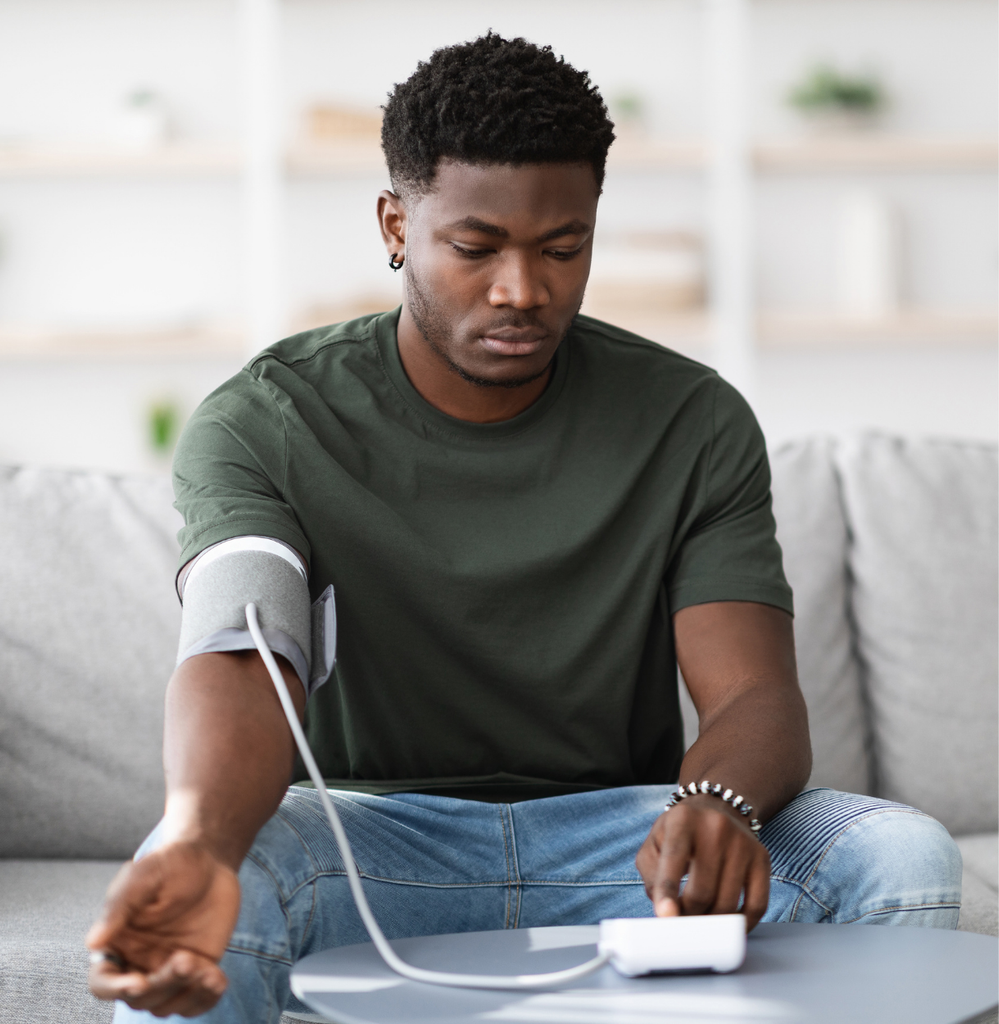
What Is High Blood Pressure?
You can feel perfectly healthy and still have high blood pressure. That is one reason hypertension is often called a silent condition.
High blood pressure, also known as hypertension, occurs when the force of blood against the walls of your blood vessels remains consistently too high. Over time, this can put extra strain on your heart and blood vessels, increasing your risk of serious health problems such as heart disease, stroke and kidney disease.
The challenge is that many people with hypertension do not experience noticeable symptoms. You may not know your blood pressure is high until you have it checked.
What Causes High Blood Pressure?
High blood pressure can develop due to several factors. Sometimes, there is no single identifiable cause, but certain habits and health conditions can increase your risk.
Common risk factors include:
- High salt intake: Eating too much salt can contribute to increased blood pressure.
- Physical inactivity: Spending most of your day sitting and getting little exercise can increase your risk.
- Excess body weight: Being overweight can place additional strain on your cardiovascular system.
- Family history: Having close relatives with hypertension may increase your chances of developing it.
- Smoking: Tobacco use damages blood vessels and increases cardiovascular risk.
- Excessive alcohol consumption: Drinking too much alcohol can contribute to high blood pressure.
- Other health conditions: Diabetes and kidney disease can increase your risk.
Age and genetics can also influence your likelihood of developing hypertension.
What Are the Symptoms of High Blood Pressure?
One important thing to understand about hypertension is that it usually has no obvious symptoms.
Some people may experience headaches, dizziness or blurred vision, but these symptoms do not necessarily mean someone has high blood pressure.
The only reliable way to know your blood pressure level is to have it measured.
Regular checks are especially important if you have a family history of hypertension, diabetes, kidney disease or other cardiovascular risk factors.
How Can You Prevent or Manage High Blood Pressure?
Although some risk factors cannot be changed, everyday lifestyle choices can help reduce your risk and support better blood pressure control.
Here are some practical steps:
- Reduce salt in your meals. Pay attention to how much salt you add when cooking and limit highly salted and processed foods.
- Eat more fruits and vegetables. Include a variety of vegetables, fruits, whole grains and other nutritious foods in your meals.
- Stay physically active. Walking, cycling, swimming and other regular activities can support heart health.
- Maintain a healthy weight. If you are overweight, speak with a healthcare professional about a suitable approach.
- Avoid tobacco. Smoking increases your risk of heart and blood vessel problems.
- Limit alcohol. Excessive alcohol consumption can raise blood pressure.
- Check your blood pressure regularly. Monitoring helps you identify changes and know when to seek medical advice.
If you have been diagnosed with hypertension, take prescribed medication as directed. Do not stop or change your medication simply because your readings improve or you feel better.
When Should You See a Doctor?
You should speak with a healthcare professional if your blood pressure readings are repeatedly higher than recommended.
A very high reading, particularly around 180/120 mmHg or above, needs prompt attention. If it is accompanied by chest pain, difficulty breathing, severe headache, confusion or changes in vision, seek emergency medical care immediately.
Do not wait for symptoms before checking your blood pressure.
Final Thoughts
High blood pressure may not always make you feel unwell, but that does not mean it should be ignored. Regular monitoring, healthy habits and appropriate medical care can help you manage your blood pressure and reduce the risk of complications.
Need help understanding your blood pressure readings? Start a consultation with a qualified doctor through 9jaTelemedicine and get guidance based on your health concerns.