
Food Poisoning: Symptoms, Causes, Treatment and Prevention
What Is Food Poisoning?
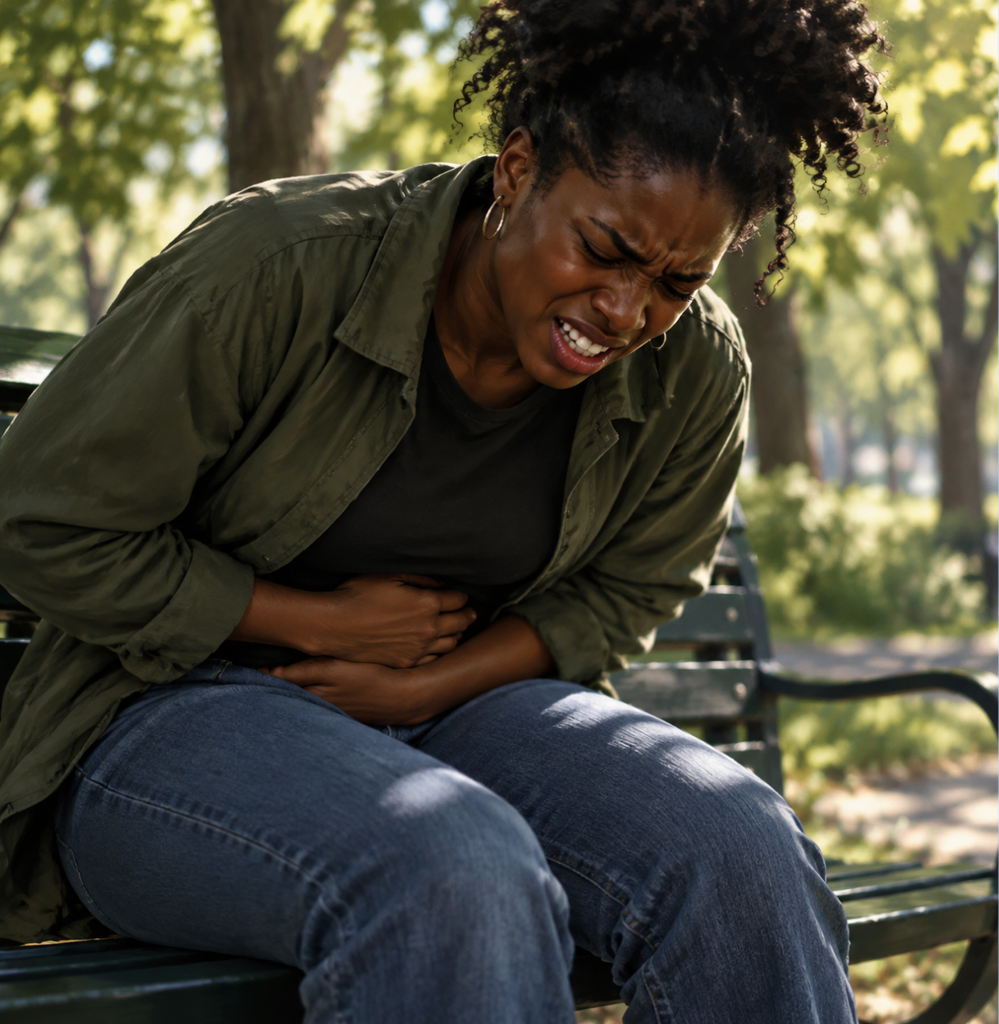
You eat a meal and a few hours later, your stomach starts acting up. You begin experiencing cramps, nausea or frequent trips to the toilet.
Could it be food poisoning?
Food poisoning occurs when you consume food or drinks contaminated with harmful bacteria, viruses, parasites or toxins.
It can happen at home, in restaurants, at social gatherings or anywhere food is prepared and served without proper hygiene and storage practices.
Symptoms can begin within a few hours or take several days to appear, depending on the organism responsible.
What Are the Common Symptoms of Food Poisoning?
Food poisoning can affect people differently, but common symptoms include:
- Diarrhoea.
- Stomach pain or cramps.
- Nausea.
- Vomiting.
- Fever.
- General weakness or feeling unwell.
Most mild cases improve within a few days, but some infections can cause serious complications, particularly when they lead to dehydration.
What Causes Food Poisoning?
Food contamination can happen during preparation, cooking, handling, storage or serving.
Some common causes include:
1. Undercooked food
Meat, poultry, seafood and eggs that are not properly cooked may contain harmful microorganisms.
2. Poor food hygiene
Handling food without washing your hands or using dirty kitchen equipment can spread germs.
3. Contaminated water
Drinking unsafe water or using it to wash food can introduce harmful microorganisms.
4. Improper food storage
Leaving cooked food at unsafe temperatures for too long can allow bacteria to multiply.
5. Cross-contamination
This happens when germs from raw food transfer to cooked food, utensils or surfaces.
Food can sometimes look and smell normal even when it is contaminated.
What Should You Do If You Have Food Poisoning?
If your symptoms are mild, the main priority is to prevent dehydration, especially if you have diarrhoea or vomiting.
Here are some steps that may help:
- Drink water regularly.
- Use oral rehydration solution (ORS) when appropriate to replace lost fluids and salts.
- Take small, frequent sips if you feel nauseated.
- Rest while you recover.
- Eat when you feel able to tolerate food.
- Wash your hands properly, especially after using the toilet.
Avoid taking antibiotics or anti-diarrhoea medication without medical advice. These medicines are not appropriate for every type of food poisoning.
How Can You Prevent Food Poisoning?
Good food hygiene can reduce your risk of foodborne illness.
Follow these simple practices:
- Wash your hands before preparing or eating food.
- Wash fruits and vegetables with safe water.
- Cook meat, poultry, fish and eggs thoroughly.
- Keep raw food separate from cooked food.
- Clean kitchen surfaces and utensils regularly.
- Refrigerate perishable food promptly.
- Avoid drinking untreated or unsafe water.
- Reheat stored food thoroughly before eating.
These steps are particularly important when preparing meals for children, older adults and people with weakened immune systems.
When Should You See a Doctor?
Not every case of food poisoning requires hospital treatment, but certain symptoms should not be ignored.
Seek medical attention if you experience:
- Bloody diarrhoea.
- Diarrhoea lasting more than three days.
- A high fever.
- Frequent vomiting that prevents you from keeping fluids down.
- Severe abdominal pain.
- Signs of dehydration, such as very little urine, dry mouth or dizziness.
Children, pregnant women, older adults and people with weakened immune systems may be at greater risk of complications and should seek medical advice promptly.
If someone becomes confused, faints or has severe signs of dehydration, seek emergency medical care.
Final Thoughts
Food poisoning can happen unexpectedly, but good food hygiene and safe storage practices can help reduce your risk.
If symptoms develop, pay attention to your body, replace lost fluids and seek medical help when necessary.
Experiencing vomiting, diarrhoea or stomach cramps? Start a consultation through 9jaTelemedicine to discuss your symptoms with a qualified doctor.