
Irregular Periods: Common Causes and When to Seek Help
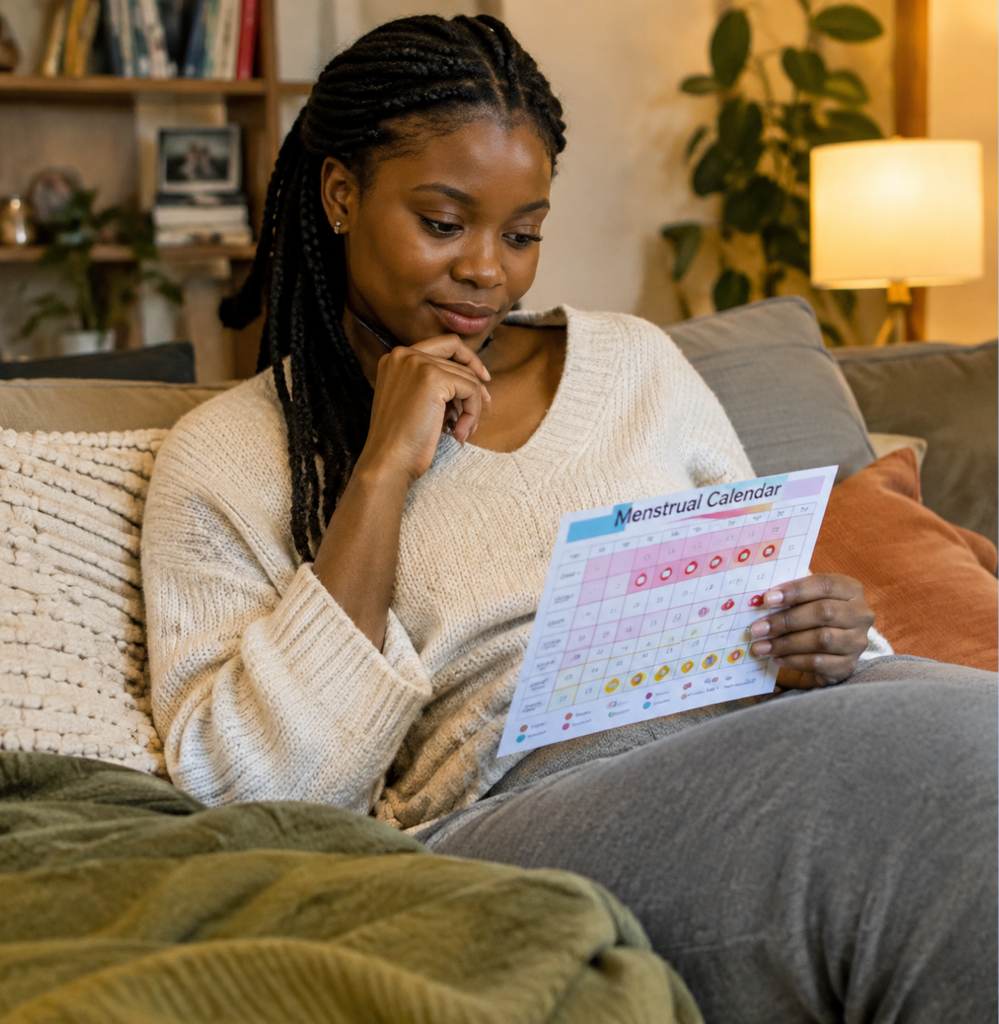

Your menstrual cycle can tell you a lot about your reproductive health.
However, not everyone has a period that arrives on exactly the same date every month. Changes in your cycle can occur for several reasons, including stress, hormonal changes, pregnancy, and certain medical conditions.
Understanding what is normal for you can help you recognise when a change deserves medical attention.
1. What Is an Irregular Period?
An irregular period occurs when the timing, duration, or pattern of menstrual bleeding changes significantly.
For many adults, a typical menstrual cycle lasts approximately 21 to 35 days, although individual patterns vary.
You may experience irregular periods if:
- Your periods frequently arrive much earlier or later than expected.
- You miss periods without an obvious explanation.
- Your menstrual bleeding becomes unusually heavy or light.
- Your periods last significantly longer than usual.
- You experience bleeding between periods.
Occasional variation does not necessarily indicate a medical problem, but persistent changes deserve attention.
2. What Causes Irregular Periods?
Several factors can affect your menstrual cycle.
Stress
Physical or emotional stress can affect the hormones involved in regulating ovulation and menstruation.
Pregnancy
A missed period can be an early sign of pregnancy. If pregnancy is possible, consider taking a pregnancy test.
Polycystic ovary syndrome (PCOS)
PCOS is a hormonal condition that can cause irregular periods, acne, and increased facial or body hair. Some people with PCOS also experience difficulty becoming pregnant.
Thyroid problems
The thyroid gland helps regulate several body functions, including processes that influence menstruation. Thyroid disorders can contribute to changes in menstrual patterns.
Changes in body weight or exercise
Significant weight changes, inadequate nutrition, or excessive physical activity may affect your cycle.
Hormonal contraception
Some contraceptive methods can change the frequency, duration, or amount of menstrual bleeding.
3. When Should You Be Concerned?
Consider speaking with a doctor if:
- Your periods become irregular after previously being predictable.
- You miss your period for three months and are not pregnant.
- Your periods are consistently very heavy or prolonged.
- You experience severe menstrual pain.
- You have irregular periods alongside unusual facial hair growth or persistent acne.
- You are trying to conceive and have concerns about your cycle.
Seek urgent medical attention for very heavy bleeding accompanied by faintness, severe abdominal pain, or possible pregnancy with significant pain or bleeding.
4. What Can You Do to Support Menstrual Health?
You can start by tracking your cycle and noting any unusual symptoms.
Helpful steps include:
- Record the first and last day of each period.
- Note changes in bleeding, pain, or other symptoms.
- Eat balanced meals and maintain regular sleep habits.
- Avoid taking hormonal medicines without appropriate medical advice.
- Seek an assessment if changes persist.
Tracking your cycle provides useful information, but it cannot establish the cause of irregular menstruation by itself.
5. Get Medical Guidance With 9jaTelemedicine
You do not have to ignore changes in your menstrual cycle or rely on guesswork.
Through 9jaTelemedicine, you can share your concerns and medical history with a doctor for review. Depending on your symptoms, the doctor may recommend further assessment, pregnancy testing, blood tests, or an in-person examination.
Conclusion
Irregular periods can result from several factors, ranging from temporary hormonal changes to underlying medical conditions. Understanding your cycle and seeking medical advice when necessary can help you make informed decisions about your reproductive health.
Have questions about your menstrual cycle? Start a consultation with 9jaTelemedicine.