
Early Signs of Type 2 Diabetes and How to Reduce Your Risk
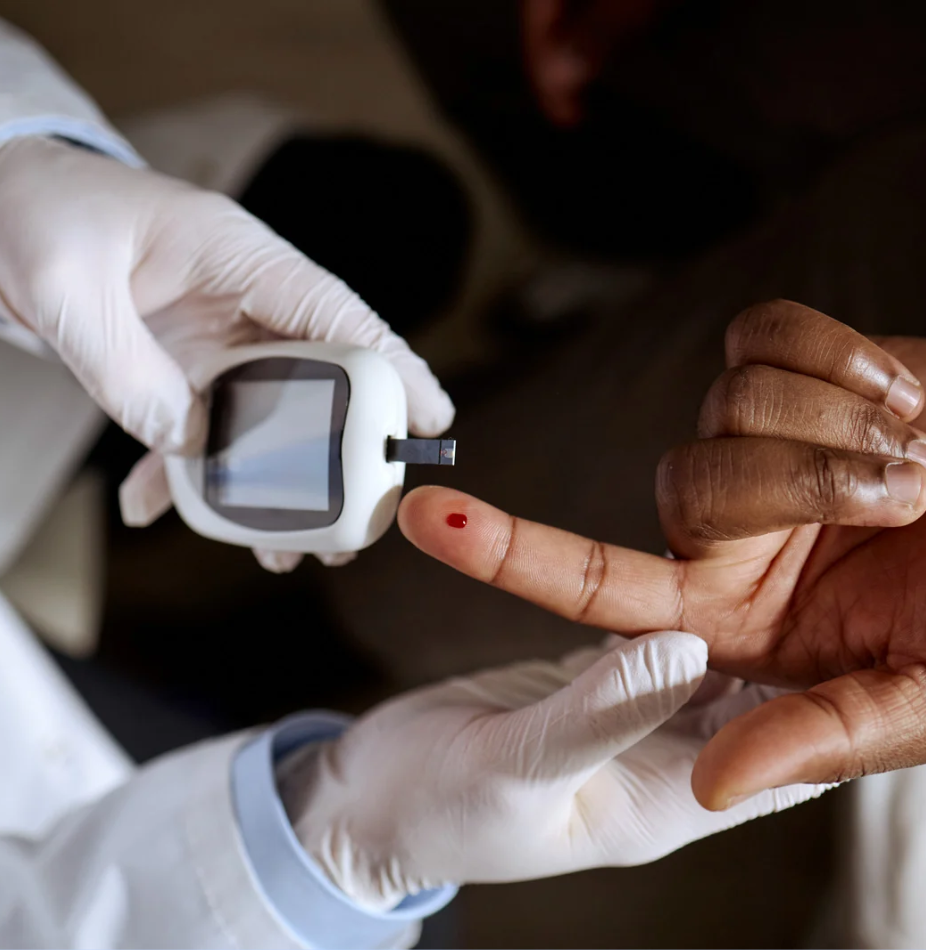
Feeling thirsty all the time? Visiting the toilet more frequently than usual? Experiencing tiredness even after getting enough rest?
These changes may have several possible explanations, but they can also be signs of type 2 diabetes.
Type 2 diabetes is a long-term health condition that affects how the body uses insulin to regulate blood sugar. It can develop gradually, and some people may live with it for years without noticing obvious symptoms.
Understanding the early warning signs and knowing your risk factors can help you seek medical attention sooner.
What Is Type 2 Diabetes?
Type 2 diabetes occurs when the body does not use insulin effectively or cannot produce enough insulin to maintain healthy blood glucose levels.
Insulin is a hormone produced by the pancreas that helps glucose move from the bloodstream into the body’s cells for energy.
When insulin does not work effectively, glucose can build up in the blood. If blood sugar remains high over time, it can damage important organs, including the heart, kidneys, eyes and nerves.
What Are the Early Signs of Type 2 Diabetes?
The symptoms of type 2 diabetes may develop slowly and can sometimes be difficult to recognise.
Common warning signs include:
1. Frequent urination
You may notice that you need to urinate more often than usual, including during the night.
2. Increased thirst
High blood sugar can cause the body to lose more fluid through urination, making you feel unusually thirsty.
3. Constant hunger
Some people with diabetes experience increased hunger because their bodies cannot use glucose effectively.
4. Unexplained weight loss
Losing weight without deliberately changing your diet or activity level can sometimes be a sign of diabetes.
5. Persistent tiredness
You may feel unusually tired or lack energy even after resting.
6. Blurred vision
High blood glucose can affect the lens of the eye and cause temporary changes in vision.
7. Slow-healing wounds
Cuts and sores may take longer to heal, and some people experience recurring infections.
Not everyone with type 2 diabetes experiences these symptoms. Some people have no noticeable symptoms at all.
What Increases Your Risk of Type 2 Diabetes?
Several factors can increase your chances of developing type 2 diabetes.
These include:
- Having a close family member with type 2 diabetes.
- Being overweight or living with obesity.
- Getting little regular physical activity.
- Having prediabetes.
- Having a history of gestational diabetes.
- Getting older.
- Having certain related health conditions, including high blood pressure.
Having one or more risk factors does not automatically mean you will develop diabetes. However, it may mean you should discuss screening with a healthcare professional.
How Is Type 2 Diabetes Diagnosed?
Symptoms alone cannot confirm diabetes. A healthcare professional will recommend appropriate blood tests.
Common tests include:
- Fasting blood glucose test: Measures blood sugar after an overnight fast.
- HbA1c test: Estimates average blood glucose levels over approximately two to three months.
- Oral glucose tolerance test: Measures how the body responds to a glucose drink.
Your doctor will interpret the results using established diagnostic criteria and may recommend repeat testing where appropriate.
How Can You Reduce Your Risk of Type 2 Diabetes?
Although not every case can be prevented, certain lifestyle changes can help reduce the risk or delay the development of type 2 diabetes.
Eat balanced meals. Include vegetables, fruits, beans, whole grains and appropriate sources of protein in your diet. Be mindful of sugary drinks and excessive portions.
Stay physically active. Walking, cycling, dancing and other activities can help improve how your body uses insulin.
Maintain a healthy weight. If you are overweight, gradual and sustainable weight management may help reduce your risk.
Avoid tobacco. Smoking increases the risk of diabetes-related health complications.
Attend regular health checks. Blood glucose testing can help identify changes before noticeable symptoms develop.
What Happens If Type 2 Diabetes Is Not Managed?
Uncontrolled diabetes can gradually damage different parts of the body.
Possible complications include:
- Heart disease and stroke.
- Kidney damage.
- Nerve damage.
- Eye problems and vision loss.
- Foot ulcers and infections.
The good news is that appropriate treatment, blood sugar monitoring and regular medical follow-up can help reduce the risk of complications.
When Should You See a Doctor?
Speak with a healthcare professional if you notice persistent thirst, frequent urination, unexplained weight loss, blurred vision or unusual tiredness.
If you experience vomiting, abdominal pain, deep or rapid breathing, severe dehydration or confusion alongside symptoms of high blood sugar, seek emergency medical attention.
Final Thoughts
Type 2 diabetes can develop without obvious warning signs, which makes regular health checks important. Understanding your risk, recognising possible symptoms and making healthy lifestyle choices can help you take better care of your health.
Wondering whether your symptoms could be related to diabetes? Start a consultation through 9jaTelemedicine and discuss your concerns with a qualified doctor.
Medical disclaimer: This article provides general educational information and should not replace blood glucose testing or professional medical advice.