
Malaria Symptoms: Early Signs, Prevention and Treatment
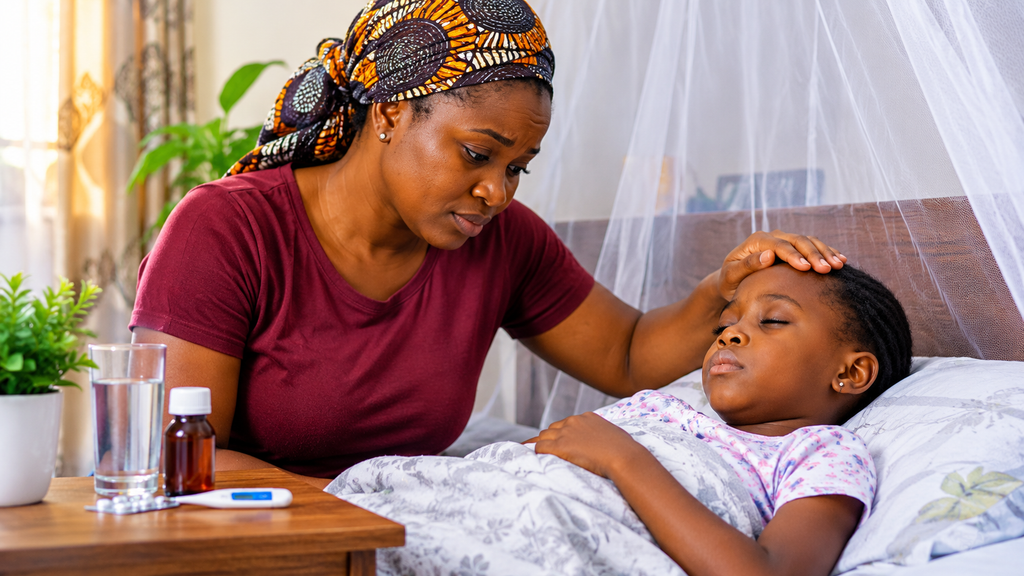
Malaria remains an important health concern in Nigeria, and knowing its early symptoms can make a significant difference in getting the right treatment.
You may initially mistake malaria for an ordinary fever, flu or general body weakness. However, malaria is an infection that can become serious if it is not diagnosed and treated promptly.
Understanding how malaria spreads, recognising its warning signs and taking steps to prevent mosquito bites can help protect you and your family.
What Is Malaria?
Malaria is a potentially life-threatening disease caused by Plasmodium parasites. It spreads primarily through the bites of infected female Anopheles mosquitoes.
When an infected mosquito bites a person, it can introduce the parasite into the bloodstream. The parasite then travels to the liver, multiplies and eventually infects red blood cells.
Malaria is not spread through ordinary physical contact, sharing food or sitting beside someone who has the infection.
What Are the Early Symptoms of Malaria?
Malaria symptoms may begin around 10 to 15 days after an infected mosquito bite, although the timing can vary.
Common early malaria symptoms include:
- Fever or a high body temperature.
- Chills and shivering.
- Headaches.
- Muscle aches and body pains.
- Tiredness and weakness.
- Sweating.
- Nausea and vomiting.
These symptoms are not exclusive to malaria. Other infections can cause similar signs, which is why testing is important.
How Is Malaria Diagnosed?
If you suspect you have malaria, visit a healthcare facility for an appropriate assessment.
A healthcare professional may recommend a malaria rapid diagnostic test or blood microscopy to check for malaria parasites.
Testing helps confirm whether malaria is responsible for your symptoms and supports the selection of appropriate treatment.
Avoid assuming that every fever is malaria or taking antimalarial medication without an appropriate assessment.
How Is Malaria Treated?
Malaria requires treatment with appropriate antimalarial medication.
The treatment prescribed depends on factors such as the type of malaria parasite, the severity of the infection, age, weight and pregnancy status.
Artemisinin-based combination therapies are commonly used to treat uncomplicated malaria caused by Plasmodium falciparum.
It is important to complete treatment as prescribed and follow your healthcare provider’s instructions.
Do not use leftover medication or share antimalarial drugs with another person.
How Can You Prevent Malaria?
Preventing mosquito bites is one of the most important ways to reduce your risk of malaria.
Here are some practical steps:
1. Sleep under insecticide-treated mosquito nets. Use an appropriate treated net, especially at night when malaria-transmitting mosquitoes are active.
2. Remove stagnant water. Regularly empty containers, buckets, tyres and other places where mosquitoes can breed.
3. Keep your surroundings clean. Clear blocked drainage and dispose of waste properly.
4. Use mosquito repellents. Apply an appropriate insect repellent according to its instructions.
5. Install window and door screens. These can help prevent mosquitoes from entering your home.
6. Wear protective clothing. Long-sleeved clothing and trousers can help reduce exposed skin, particularly in the evening.
Malaria vaccines are also being introduced into routine childhood immunisation programmes in eligible African countries. Ask your healthcare provider about availability and eligibility.
When Should You Seek Medical Attention?
Do not ignore persistent fever, chills or other symptoms that may suggest malaria.
Seek medical attention promptly if you suspect malaria, particularly if the affected person is a young child, pregnant woman or someone with an underlying health condition.
Severe warning signs include:
- Difficulty breathing.
- Confusion or reduced consciousness.
- Seizures.
- Extreme weakness.
- Yellowing of the eyes or skin.
- Dark or bloody urine.
- Abnormal bleeding.
These symptoms require emergency medical care. Do not wait for an online consultation.
Final Thoughts
Malaria is preventable and treatable, but early diagnosis and appropriate treatment are essential. Protecting yourself from mosquito bites, keeping your surroundings clean and taking suspected symptoms seriously can help reduce the risk of serious complications.
Concerned about a fever or possible malaria symptoms? Start a consultation with a qualified doctor through 9jaTelemedicine and get guidance on the appropriate next steps.
Medical disclaimer: This article is for general health education and does not replace professional diagnosis or treatment.